Install Durable, High-Performance Garage and Workshop Floors
Epoxy Flooring in Albany for cracked, oil-stained, or worn concrete floors that need resistance to moisture, stains, and heavy traffic
Randy David Painting, Inc. provides epoxy flooring installation in Albany for homeowners and business owners who need a long-lasting, low-maintenance floor surface in garages, workshops, and commercial spaces. You may have concrete floors with tire marks, oil stains that will not clean up, or surface dust that constantly tracks into the house. Epoxy coatings create a seamless, chemical-resistant surface that withstands impacts, resists moisture penetration, and delivers a clean, high-gloss finish that makes routine cleaning easier.
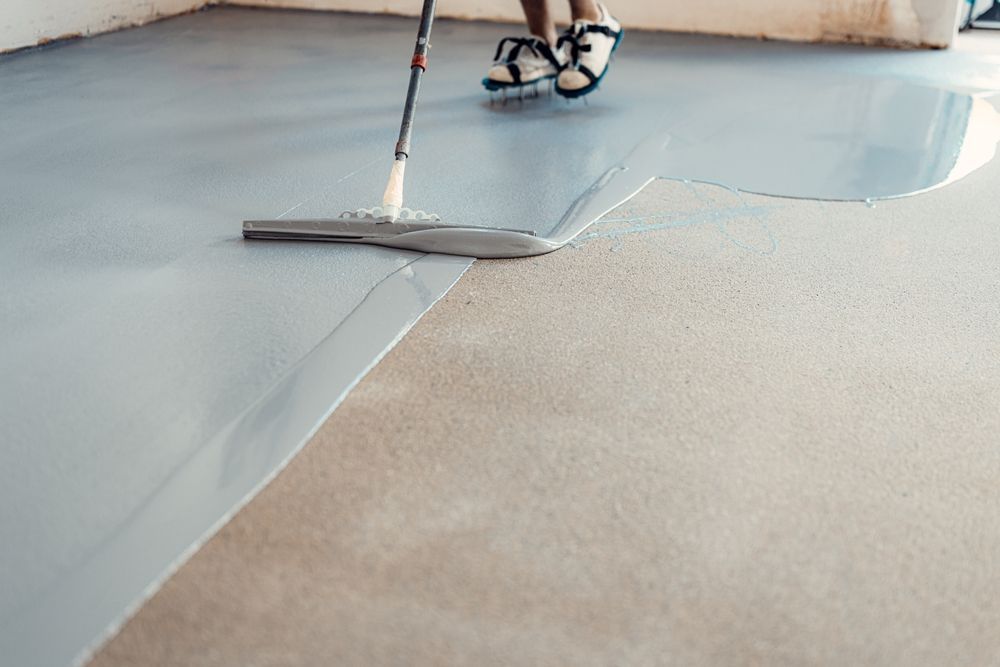
The installation process begins with surface preparation that includes grinding or shot blasting to open the concrete pores and remove any existing coatings, dirt, or contaminants. Cracks are filled with epoxy-based filler, and the floor is vacuumed to remove dust. A primer coat is applied to improve adhesion, followed by one or more layers of pigmented epoxy that cure to form a hard, durable surface. Topcoats may include anti-slip additives or UV-resistant clear layers depending on the environment and use.
If you want to eliminate concrete dusting, improve the appearance of your garage, or create a workspace floor that resists spills and stains, contact the team to discuss preparation requirements and coating options.
What Makes Epoxy Coatings Suitable for High-Traffic Areas
You receive a coating system that bonds chemically to concrete, forming a surface much harder than the concrete itself. Epoxy resins cure through a chemical reaction between resin and hardener, creating a cross-linked polymer that resists abrasion, chemicals, and moisture. The coating thickness and number of layers determine durability, with multi-coat systems providing better impact resistance and longer service life in environments with vehicle traffic or heavy equipment.
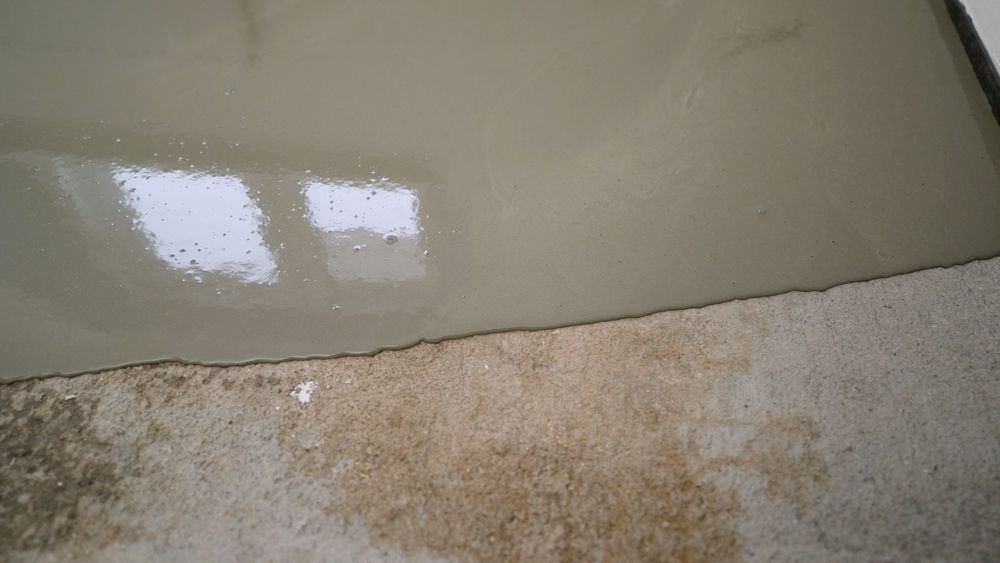
After curing, you will see a smooth, glossy surface with consistent color and no visible seams or joints. Oil, antifreeze, and other fluids bead on the surface and wipe away without staining. The floor reflects overhead lighting, brightening the space and making it easier to spot dropped tools or debris. Randy David Painting, Inc. applies coatings in controlled layers to avoid bubbles, pinholes, or uneven thickness, which can compromise both appearance and performance.
This service does not repair structural foundation issues, control groundwater infiltration, or address active moisture vapor transmission beyond what a properly applied epoxy moisture barrier can handle. Floors with significant heaving, settling, or ongoing water intrusion require correction before coating. Curing times vary depending on temperature and humidity, and foot traffic or vehicle use must be delayed until full cure is achieved.
Property owners often ask about preparation, curing, and how epoxy performs in different environments and traffic conditions.
Questions About Epoxy Floor Installation and Performance
What preparation is required before applying epoxy coatings?
Concrete must be cleaned, cracks filled, and the surface profiled through grinding or acid etching to ensure the epoxy bonds properly and does not delaminate under load.
How long does epoxy flooring last in a residential garage?
With proper installation and moderate use, epoxy floors can last 10 to 15 years before showing significant wear, with high-traffic commercial floors requiring recoating sooner depending on conditions.
Why do some epoxy floors yellow over time?
Standard epoxy resins react to UV light and can yellow or amber when exposed to direct sunlight, which is why UV-resistant topcoats or aliphatic polyurethane sealers are used in areas with window exposure.
How do you prevent moisture from causing epoxy to bubble or peel?
Moisture vapor testing is performed on suspect slabs, and vapor barriers or moisture-mitigating primers are applied if transmission rates exceed the epoxy tolerance levels specified by the manufacturer.
What temperature and humidity conditions in Albany affect epoxy curing?
Epoxy requires temperatures above 50 degrees Fahrenheit to cure properly, and high humidity can cause blushing or slow cure times, so installation is scheduled during stable, dry weather windows.
When you are ready to upgrade your concrete floors to a cleaner, more durable surface that handles daily wear without constant maintenance, reach out to Randy David Painting, Inc. to review your space, discuss coating systems, and schedule installation during optimal conditions.