
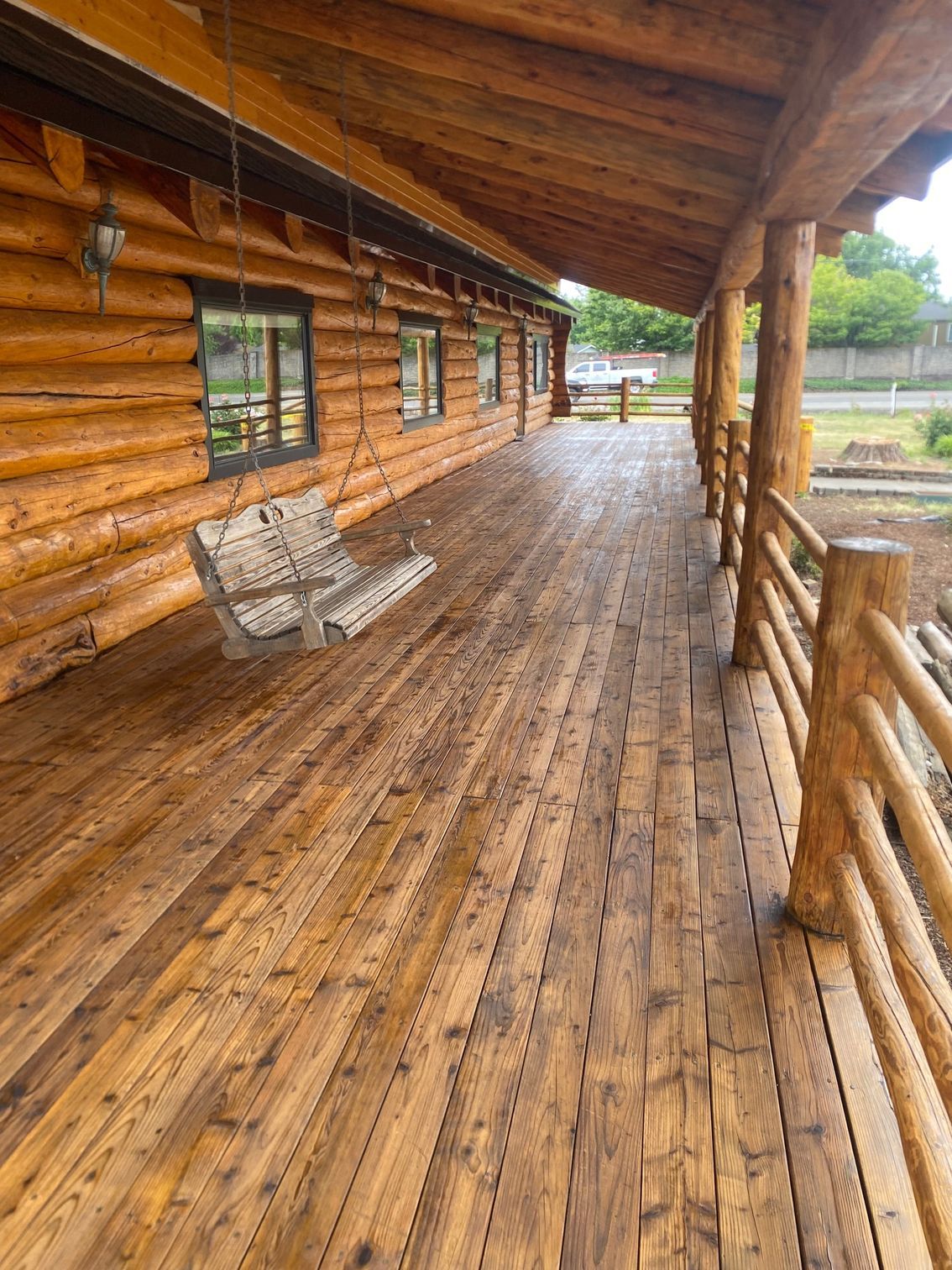
Preserve Wood Grain While Protecting the Surface
Deck Staining in Albany for weathered wood that needs protection without hiding natural grain and texture
Randy David Painting, Inc. provides deck staining for homeowners in Albany and the surrounding counties who want to protect outdoor wood surfaces while keeping the natural look of the grain visible. You see the boards that have lost their color, the sections where water soaks in too quickly, and the railings that feel rough instead of smooth. This service applies protective stains that penetrate the wood, resist moisture and wear, and bring out the natural character of the material without covering it up.
The process starts with removing any old finish that's peeling or flaking, followed by sanding to open the wood pores and create a surface that accepts stain evenly. The deck is then cleaned to remove dust, dirt, and any mildew that's accumulated in shaded or damp areas. Once the wood is dry, stain is applied in thin, even coats using brushes or rollers, with attention to edges, ends, and spaces between boards where moisture tends to collect. The stain soaks into the wood rather than sitting on top, which means it won't peel like paint and it lets the wood breathe while still providing a barrier against the elements.
If your deck is showing signs of age or you want to protect it before damage sets in, a consultation in Albany can walk you through stain options and the condition of your wood.
What Staining Does for Your Deck Long-Term
You'll see a surface that sheds water instead of absorbing it, with color that brings out the wood's natural tone rather than covering it. Stained decks resist cracking and splintering because the wood stays more stable when it's protected from moisture swings and UV exposure. The finish wears gradually rather than peeling in sheets, so maintenance is more predictable and less disruptive over time.
Randy David Painting, Inc. offers a range of stain finishes including natural tones that let the wood grain show through, darker options that add richness and hide imperfections, and custom blends tailored to the look you want. After the stain cures, the deck is ready to use and the surface feels smooth and protected without the slick or sticky texture that some coatings leave behind.
The work includes staining all horizontal and vertical surfaces, from decking boards to railings and stairs, so the entire structure is treated consistently. Proper surface prep is what makes the difference between a stain job that lasts a few seasons and one that holds up for years, and that means taking the time to remove old coatings, sand rough spots, and let the wood dry completely before any stain goes on. Staining helps prevent the costly repairs that come from untreated wood exposed to rain, sun, and foot traffic.
Homeowners in Albany often ask about the difference between stain and paint, how long the finish lasts, and what maintenance looks like after the work is done. These details help you decide which approach fits your priorities and how to care for the deck once it's protected.
What to Know Before Staining Your Deck
What's the difference between staining and painting a deck?
Stain penetrates the wood and lets the grain show through while still protecting against moisture and UV damage, whereas paint sits on the surface and hides the wood entirely, which provides a different look but requires more maintenance if it starts to peel.
How long does deck stain take to dry before the deck can be used?
Most stains dry to the touch within a few hours, but full curing takes 24 to 48 hours depending on temperature and humidity in Albany, and it's best to avoid heavy use until the finish has hardened completely.
Why does old stain or finish need to be removed before restaining?
Old coatings that are peeling or flaking prevent new stain from soaking into the wood evenly, which leads to blotchy color and poor protection, so the surface needs to be sanded or stripped down to bare or lightly coated wood.
How often should a deck be restained to stay protected?
In Albany's climate, a stained deck typically needs reapplication every two to four years depending on sun exposure, foot traffic, and the type of stain used, with high-traffic areas and horizontal surfaces wearing faster than railings or shaded sections.
Can stain be applied over pressure-treated wood?
Pressure-treated wood needs to dry and weather for several months after installation before it will accept stain properly, because the treatment chemicals and moisture content prevent penetration until the wood has had time to cure.
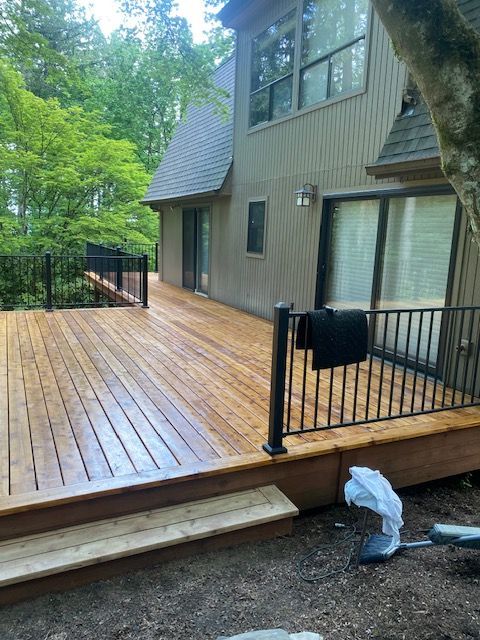
Randy David Painting, Inc. handles deck staining throughout Albany and the surrounding counties, with a tailored approach based on the condition of your wood and the look you're after. If your deck needs protection or you're ready to bring back the natural beauty of the wood, reach out to discuss stain options and get a clear estimate.